
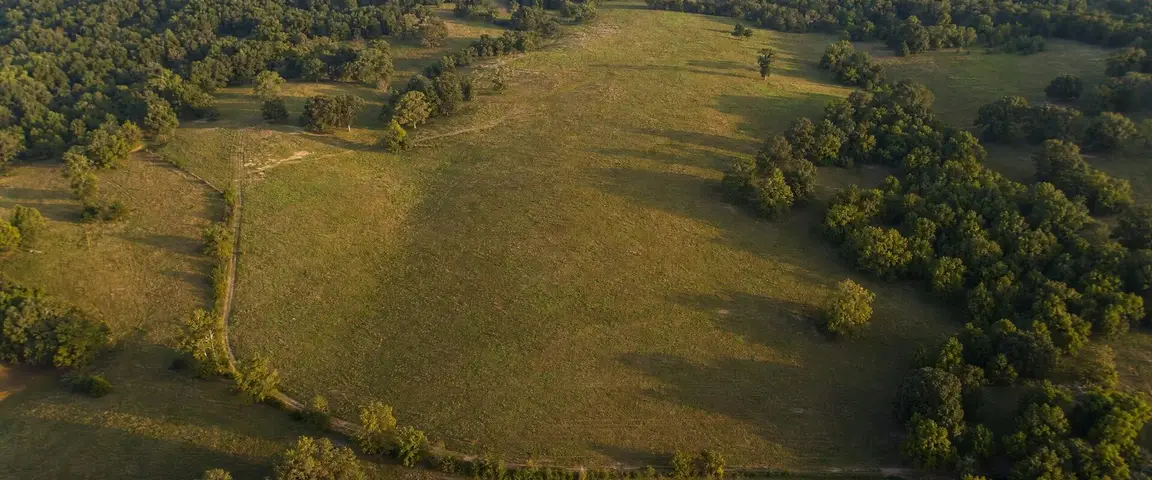
Sell Land You Bought but Never Built On
Somewhere along the way, the plan to build changed — or there never really was a firm plan, just a piece of land that seemed worth having. Years later, selling it means checking a few things you probably haven’t thought about since the day you bought it.
Start by Re-Confirming What You Actually Own
Pull your current deed and check your county’s GIS or property appraiser record against it. Boundaries, acreage, and even access can look different today than they did at purchase, especially in older recreational subdivisions that have since been replatted or reconfigured. Don’t assume anything’s still exactly as it was in your original paperwork — confirm it.
Check for a Build-Commencement Requirement
This is the single most common thing a never-built owner has silently missed. Many older subdivision and recreational land sales included a covenant requiring construction to start within a set window — often two to five years — with the developer or HOA retaining some right to penalize or even reclaim the lot if that deadline passed unmet. Whether this actually applies, and whether it was ever enforced, varies enormously by development. It’s worth checking your original purchase documents or contacting the HOA/POA, if one still exists, before assuming your ownership is unaffected.
Confirm Access Actually Exists, Not Just on Paper
Older platted subdivisions sometimes show a “paper street” — a road on the recorded plat that was never actually built or maintained. Buildable on paper and buildable in practice aren’t always the same thing, and this is common enough in exactly this category of land that it’s worth confirming directly rather than assuming the plat map reflects reality.
Check Your Tax and Dues Status
Absentee, never-built owners are disproportionately likely to be behind on something, simply because tax bills and HOA/POA notices go to a mailing address that may be years out of date. Confirm both directly with your county tax office and, if applicable, the subdivision’s association — don’t rely on the absence of a notice as proof nothing’s owed.
Both back taxes and lapsed HOA or POA dues have their own dedicated guides if either applies to your situation.
Zoning and Land Use May Have Changed Since You Bought
What was buildable when you purchased may not be now. Floodplain remapping, a new wetlands delineation, or a building moratorium enacted since your purchase can all change the picture without you ever being notified directly. A quick call to your county planning department will tell you where things currently stand.
How Was the Original Purchase Actually Financed?
A meaningful number of older recreational land sales — especially from the boom-era “low monthly payment” subdivision marketing of past decades — were structured as seller or developer-financed installment contracts rather than a standard closing. If that’s how you bought, confirm the payoff was actually completed and recorded, and check whether the original developer entity still legally exists to help clear title if it wasn’t. This is worth resolving before you list, not after a buyer’s title search turns it up.
A Bit of Background: Why Some of These Subdivisions Were Federally Regulated
If your land came from a larger developer-marketed subdivision — the classic boom-era “small down payment” recreational land developments — it may have originally been sold under the federal Interstate Land Sales Full Disclosure Act, a 1968 law requiring developers of qualifying subdivisions to register with federal regulators and provide buyers a detailed disclosure document before signing. That law gave original buyers a right to cancel the contract within a limited window, generally up to two years from signing if proper disclosures weren’t provided. For almost any purchase from years ago, that window has long since closed — this is background on why these subdivisions carry the reputation they do, not something actionable for a sale today.
Options for Selling
- Confirm ownership, access, and covenant status first, using the checks above.
- Address any back taxes or lapsed association dues as part of the sale process.
- Sell as-is to a buyer comfortable evaluating this kind of property directly.
When a Direct Sale May Make Sense
Land that’s sat untouched for years often comes with a handful of small things to verify all at once — a stale mailing address, a covenant nobody remembers, maybe a subdivision that’s barely functioning anymore. We work through exactly that kind of catch-up regularly on the rural acreage we buy, generally 10 acres and up, rather than requiring everything pre-verified and cleaned up before we’ll make an offer.
This isn’t necessarily the highest price available — land that’s fully verified, current on taxes and dues, and clearly marketable may bring more through a traditional listing if you have the time to get there. It’s the option that trades some of that upside for handling the catch-up in one step.
Information That Helps Evaluate the Property
- Parcel number (APN) or property address
- County and state
- Approximate acreage
- Roughly when you purchased it, and how (developer sale, auction, private purchase)
- Whether you’re aware of any HOA/POA, back taxes, or build-commencement requirements
Ready to Talk About Your Property?
Submit your parcel number, county, and acreage for a no-obligation property review.
Get Started: Get Your Cash Offer Below…
We are direct land buyers. There are no commissions or fees and no obligation whatsoever. Start below by sharing where your property is and where we can send your offer…
Common Questions
Can I lose land I bought if I never built on it?
Rarely outright, but some older subdivisions include build-commencement covenants with real consequences if missed. Worth checking your original purchase documents or the HOA/POA to know for sure.
How do I find out if my access is real or just on a paper street?
Your county planning or public works department can confirm whether a platted road was ever actually built and is currently maintained.
Do I owe back taxes if notices went to an old address?
Yes — an unpaid tax bill doesn’t stop accruing just because it wasn’t received. Check directly with your county tax office rather than assuming.
What if I financed the purchase directly with the developer years ago?
Confirm the payoff was completed and properly recorded. If it wasn’t, or if the developer entity no longer exists, this is worth resolving with a title company or attorney before you sell.