
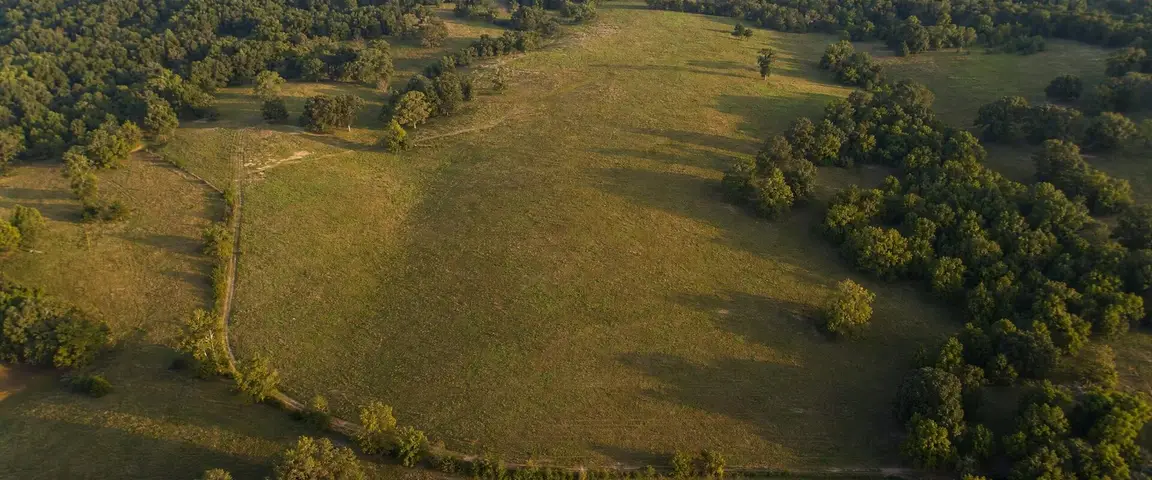
Encroachments: Can You Sell Land With a Neighbor’s Structure or Driveway on It?
Yes, you can sell land with an encroachment. But a buyer will usually want to know what crosses the property line, how much land is affected, whether the line itself is clear, whether a recorded agreement exists, and how the issue could affect access, use, financing, title, or future neighbor relations.
An encroachment is a physical structure, improvement, or use that extends onto neighboring land. It can involve a fence, driveway, road, building, shed, septic component, utility line, retaining wall, crop area, gate, or other feature. The visible feature is often only the start of the question: a buyer will want to know whether the line is correct, whether an easement or agreement exists, and whether the parties expect the feature to remain, move, or be addressed.
This guide is part of the Problem Land Encyclopedia: Access & Boundaries section.
What Is an Encroachment?
An encroachment occurs when a physical feature or use extends across a property line onto land owned by another person. The feature may have been built recently or may have existed for decades. It may be intentional, accidental, accepted by both owners, disputed, or unknown until a survey or sale brings it to light.
| Common encroachment | What it can involve |
|---|---|
| Fence | A fence line sits inside the neighboring parcel or leaves part of the subject parcel on the other side. |
| Driveway or road | A private drive, farm lane, or access road crosses the line without a clearly documented right. |
| Building or shed | A home, barn, garage, outbuilding, porch, or roof overhang reaches across the boundary. |
| Gate or entrance | A gate, entrance, or road approach is built on the wrong side of the line. |
| Utility or septic feature | A utility line, pole, septic field, drain line, or similar improvement crosses the property line. |
| Retaining wall, drainage, or grading | An improvement alters or occupies adjacent land near the boundary. |
| Cultivation or landscaping | Crops, clearing, plantings, or maintained area extend beyond the owner’s legal line. |
An encroachment is not automatically a property-rights conclusion. It may be an improvement crossing a line that the parties can document, remove, relocate, license, address through an easement, or resolve in another way. The legal consequences depend on the facts, documents, and state law.
Encroachment vs. Boundary Dispute
An encroachment and a boundary dispute can exist together, but they are different questions.
| Condition | Central question |
|---|---|
| Encroachment | Is a physical feature or use crossing the property line? |
| Boundary dispute | Where is the legal property line, and do the records and evidence agree? |
| Easement access issue | Does a route or right of way allow the crossing or use at issue? |
| Clouded title | Do ownership records, deeds, liens, releases, or title history make transfer difficult? |
A driveway crossing onto a neighboring property may be an encroachment. If the neighbors disagree about where the line is, there may also be a boundary dispute. If the driveway is allowed by a recorded right of way, the route may be an easement issue rather than an unauthorized encroachment.
Why Encroachments Can Make Land Harder to Sell
A buyer needs to understand what property they are acquiring, what another owner is using, and whether the improvement affects the intended use of the land. An encroachment can be minor or material depending on its location, size, the parties’ relationship, and whether it affects access, buildable area, frontage, utilities, or an important improvement.
| Buyer concern | Why it affects the sale |
|---|---|
| The improvement may need to move | Relocating a fence, driveway, shed, or utility line can cost time and money. |
| The encroachment affects access | A shared road or driveway may require an easement, agreement, or route clarification. |
| The feature reduces usable land | The affected strip may change a homesite, building area, road frontage, septic area, timber use, or other planned use. |
| The neighbor may object or claim rights | An unresolved conflict can delay closing or discourage a buyer. |
| The boundary may be uncertain | The buyer may need a survey before knowing whether an encroachment actually exists. |
| Title or financing review may raise questions | A title company or lender may ask for documentation, a survey, or a resolution depending on the transaction. |
The issue does not always prevent a sale. A fence crossing a few feet into a remote corner may have a very different practical impact from a neighbor’s driveway crossing the only access route or a building encroaching into a future homesite.
How to Check an Encroachment Before You Sell
Start by separating what is visible from what is legally established. A satellite image or fence line can identify a question, but the records and professional review help identify the real issue.
1. Gather the Deed, Plat, and Any Existing Survey
Obtain the current deed, legal description, recorded plat, boundary survey, and any survey exhibits. These documents help identify the parcel boundaries that need to be compared with the physical feature.
2. Document the Physical Feature
Photograph the fence, driveway, building, utility, gate, drainage feature, or other use from multiple angles. Note where it appears to cross the line, how long it has existed if known, and whether it affects access or use of the parcel.
3. Compare the Feature With the Boundary Evidence
A licensed land surveyor can help compare the physical feature to the legal boundary, locate property corners where possible, and identify whether the feature actually crosses the line. Do not assume an encroachment exists solely because an online map appears to show one.
4. Check for Easements, Licenses, or Agreements
The apparent encroachment may be authorized by a recorded easement, a right-of-way agreement, a boundary-line agreement, a license, or another document. Review title materials, recorded documents, and any agreements held by the owner or neighbor.
5. Review the Neighboring Parcel’s Information
The neighbor’s deed, survey, plat, and title records may help explain the use or show whether an agreement has already been recorded. The relevant documents can involve both parcels.
6. Seek Local Legal Guidance if There Is a Claim or Conflict
If a neighbor is asserting ownership, demanding removal, refusing access, or claiming a continuing right to use the land, consult a qualified real-estate attorney in the state where the property is located. The effect of a long-standing feature, past use, written agreement, or survey result is state-specific.
Do not rely solely on a fence, satellite image, tax map, or neighborhood history when the feature affects access, buildable area, improvements, or a pending sale.
Common Paths Owners Consider
The practical response depends on the feature, affected land, documents, neighbor relationship, intended use, and cost of a clear solution.
| Path | What it may involve | Practical trade-off |
|---|---|---|
| Confirm the boundary with a survey | A licensed surveyor reviews the records and compares the property line with the feature on the ground. | Provides clarity but may reveal a more complex issue or require additional work. |
| Document a license or permission | The parties clarify permission for a limited use or temporary feature. | May be appropriate in some situations, but may not provide the permanent or transferable rights a buyer wants. |
| Create or clarify an easement | The parties document a right for a driveway, road, utility, or other continuing use. | Can make the use clearer but requires agreement, drafting, and proper recording. |
| Relocate or remove the feature | A fence, gate, driveway, utility line, shed, or other feature is moved or removed. | May create the cleanest result but can be expensive, disruptive, or impractical. |
| Adjust a boundary or exchange a strip | Owners address a small area through an appropriately documented boundary or parcel change. | May simplify the issue but can require surveying, approvals, deeds, and expense. |
| Sell as-is with disclosure | The owner describes the known condition to a buyer prepared to evaluate it. | Avoids an up-front resolution process but may narrow the buyer pool or change price expectations. |
How Encroachments Can Affect Marketability
There is no fixed value adjustment for an encroachment. The real impact depends on the feature, the land affected, the intended use, the neighbor’s position, whether the line is clear, and the cost or feasibility of a solution.
A minor fence issue may be manageable for a buyer who does not need the affected strip. A driveway crossing a property line, a septic system on the wrong side of a boundary, or a structure inside a planned building area can create more substantial friction. Buyers will often evaluate whether the issue can be documented, resolved, accepted as-is, or avoided through a different use of the land.
Before lowering the asking price, consider whether the buyer’s real concern is a physical encroachment, an unclear boundary, or a missing access agreement. You may also want to review local land value signals, tax-sale timing, and vacant land holding costs.
Related Land Problems
Encroachments often overlap with property-line and access questions. Review these related guides once they are published:
- A boundary dispute — when the location of the legal property line is uncertain or contested.
- Land with no legal access — when a driveway or road crosses another parcel without a clear right to use it.
- An unrecorded right of way — when the use of a road or route may depend on an agreement that is not clearly shown in the land records.
Need to compare this issue with other difficult land conditions? Return to the Problem Land Encyclopedia.
Frequently Asked Questions
Can I sell land with an encroachment?
Yes. Land with a known encroachment can be sold, but the buyer should understand what feature is involved, whether the property line is clear, whether an agreement exists, and how the issue may affect use of the land.
Is a fence over the property line always a serious problem?
Not always. The practical impact depends on the location, amount of land affected, whether the boundary is clear, the neighbor relationship, and the buyer’s intended use. A fence can also be a sign that a survey or title review is needed before assuming the legal line.
Does a driveway crossing a property line mean there is an easement?
Not necessarily. A driveway can cross a line because of permission, historical use, mistake, a recorded easement, an unrecorded agreement, or a boundary misunderstanding. The actual documents and facts should be reviewed before treating the route as authorized access.
Do I need a survey before selling land with an encroachment?
Not always. A survey can be valuable when the feature affects access, buildable area, utilities, improvements, or buyer confidence. Whether the cost makes sense depends on the property and sale strategy.
Can an encroachment be resolved without moving the feature?
Sometimes. The parties may be able to document a right, clarify a boundary, agree on a license, exchange a strip, or reach another solution with appropriate professional guidance. The right approach depends on the documents and state law.
What if the neighbor does not agree that there is an encroachment?
The issue may actually be a boundary dispute, an access dispute, or a title issue. Gather the deed, survey, plat, and photos, then seek advice from the appropriate survey, title, or legal professional if the disagreement is material.
What records should I gather first?
Start with the current deed, legal description, existing survey or plat, title materials if available, photos of the physical feature, any written agreement, and county parcel-map information.
Have Land With an Encroachment You Want to Sell?
If you own 10+ acres with a fence, driveway, road, structure, utility, boundary, or neighbor-use issue and do not want to spend months trying to resolve it before selling, Sell My Vacant may be able to review the property directly. We evaluate difficult rural and vacant land individually, including parcels with access, title, environmental, and buildability complications.
This request is not a legal opinion, title commitment, survey, engineering review, or guarantee of an offer.
Request a Problem-Land Review
Form introduction: Tell us the county and state, approximate acreage, and what you know about the fence, driveway, structure, utility, road, or neighboring use. If the property fits our buying criteria, we will review it and let you know whether a direct cash offer may be possible.
| Form field | Recommended prompt |
|---|---|
| Property location | County and state; include the property address or nearest road if known. |
| Acreage | Approximate acreage. |
| Known land issue | Encroachment, driveway crossing, fence line, neighbor structure, utility issue, or another known concern. |
| Owner name | Your name. |
| Phone | Best number for a follow-up conversation. |
| Best email for follow-up. |
Button text: Request a Problem-Land Review
Important Disclosure
This page provides general information about encroachments and property-line issues. It is not legal, title, survey, engineering, lending, environmental, or tax advice. Property boundaries, easements, encroachments, agreements, remedies, requirements, costs, and timelines vary by parcel, documents, county, and state. Confirm the facts of your situation with the appropriate title professional, surveyor, attorney, engineer, lender, environmental specialist, or local authority.