
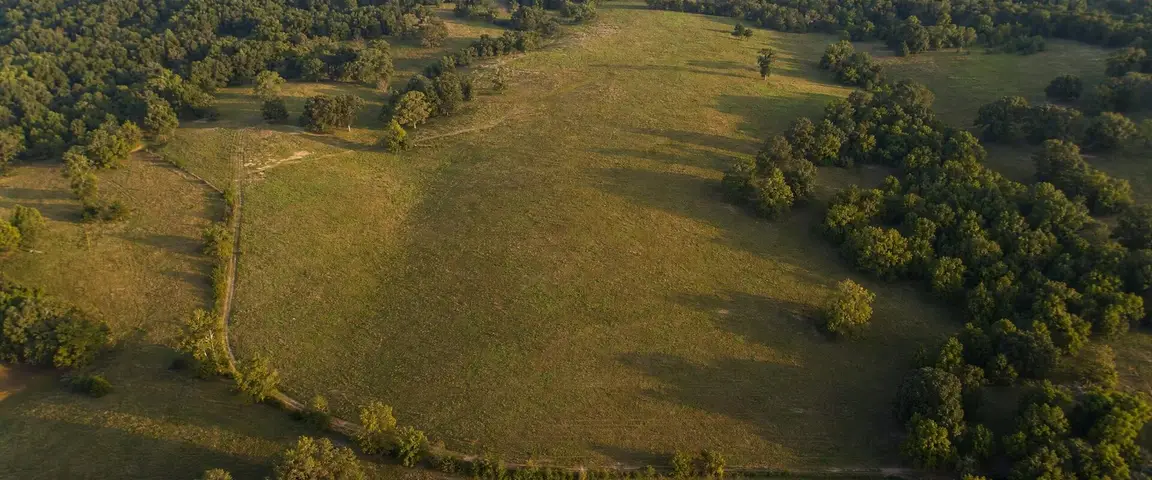
No Legal Access to Land: What It Means and What to Check
A property can be reachable and still have no clear legal access. You may be able to drive to the land using a dirt road, farm lane, neighbor’s driveway, trail, or gate. The real question is whether the owner has a documented and enforceable right to use that route.
This distinction matters because a buyer, lender, title company, or future owner may not accept informal permission as a substitute for a recorded access right. A parcel with uncertain legal access can still be sold, but it is usually harder to evaluate and may attract a narrower buyer pool.
This guide is part of the Problem Land Encyclopedia: Access & Boundaries section.
What Does “No Legal Access” Mean?
No legal access means there is no clear, documented, and enforceable right for the parcel owner to cross the necessary intervening land to reach a public road. The route may exist on the ground, and the current owner may be using it without a problem, but the legal basis for that use may be unclear.
An easement is a property interest that allows a person to use another person’s land for a specified purpose. An affirmative easement can include the right to travel along a route through neighboring land.[1] The actual right, width, route, use, maintenance obligations, and transferability depend on the recorded documents and applicable state law.
| What you may see | What should be confirmed |
|---|---|
| A neighbor’s driveway leads to the parcel | Whether the owner has a recorded right to use the driveway or only informal permission. |
| A logging road or farm lane reaches the property | Whether the route is public, private, dedicated, recorded, or merely used by custom. |
| A route appears on a county GIS map | Whether the map corresponds to a recorded easement, public road, or legal right of way. |
| A gate has always been unlocked | Whether access can legally continue if ownership or neighbor relationships change. |
| An old written agreement exists | Whether the document is signed, recorded, enforceable, transferable, and sufficiently specific. |
No Legal Access vs. Landlocked Land
These terms are related but not interchangeable.
| Condition | Plain-English meaning |
|---|---|
| Landlocked land | The parcel lacks a clear route to a public road. It may be surrounded by other privately owned land. |
| No legal access | A route may exist and be physically usable, but the owner does not have clear evidence of a legal right to use it. |
A parcel can be landlocked and have no legal access. It can also have physical access but no legal access—for example, where the owner drives through a neighbor’s gate based on verbal permission that is not recorded.
Why No Legal Access Can Make Land Harder to Sell
Informal access often works until a sale, loan application, title search, boundary issue, or change in neighboring ownership creates a reason to examine it closely. A serious buyer may ask not only, “Can I drive there?” but also, “What gives me the right to keep using this route after I buy?”
| Buyer concern | Why it affects the sale |
|---|---|
| The route depends on verbal permission | A neighbor may change their mind, sell their land, restrict use, or dispute the route. |
| The recorded route is unclear | The buyer may not know where access is supposed to run or whether it reaches the parcel. |
| The route is too narrow or limited | A right for occasional entry may not support construction, utilities, timber hauling, or the buyer’s intended use. |
| Maintenance is not defined | Road repairs, culverts, gates, washouts, and shared costs can create conflict. |
| The access crosses several parcels | Each crossing can create another document, owner, or title question. |
| Future financing is uncertain | A lender or title company may require documentation beyond what the current owner has. |
The issue does not automatically make the land unsellable. It means the access condition must be understood, disclosed, and priced or resolved in a way that fits the property’s realistic buyer pool.
How to Verify Whether You Have Legal Access
The goal is to assemble the facts before you rely on a route or represent it to a buyer. Start with the property records and compare them with the actual route used on the ground.
1. Read the Deed and All Referenced Documents
Obtain the current recorded deed and look for references to rights of way, easements, ingress and egress, road agreements, plats, surveys, or prior deeds. The route may be described in a document attached to the deed or recorded separately.
2. Check the Title History
A title professional can review recorded easements, rights of way, title exceptions, prior deeds, and relevant recorded agreements. This is useful where the route crosses more than one parcel or where the chain of title is old or complicated.
3. Compare the Recorded Route With the Route on the Ground
A road may be used in one place while the recorded easement is described elsewhere. A surveyor can help identify whether the route, width, and location on paper match the route the owner is actually using.
4. Confirm Whether the Road Is Public or Private
Do not assume that a road name, county map line, postal address, or regular public use proves public-road status. Check with the appropriate county road, planning, or public-works office. Ask who owns and maintains the route and whether the public has a right to use it.
5. Clarify the Scope of Any Recorded Easement
A recorded easement may be limited by route, width, purpose, duration, users, maintenance, vehicles, or utilities. It is possible for an owner to have some access right that is insufficient for a buyer’s intended use.
6. Seek State-Specific Advice if the Access Claim Is Not Recorded
Some access claims can depend on the history of a formerly unified tract, continuous use, statutory procedures, or other state-specific rules. An implied easement by necessity, for example, may depend on facts including prior unity of ownership and necessity at the time the land was divided.[2] Do not assume that any particular doctrine applies to your parcel without qualified local advice.
Important: An owner’s long-term use of a route, a neighbor’s verbal permission, a gate code, or a map label may be relevant facts. They are not a substitute for a property-specific review of the access documents.
Common Paths Owners Consider
No access case is identical. The practical path depends on the records, neighboring owners, route location, intended use, cost, timing, and state law.
| Path | What it may involve | Practical trade-off |
|---|---|---|
| Negotiate and record an easement | Agreeing with the neighboring owner on a defined access route and recording the right. | Can create clarity, but may require compensation, surveying, legal drafting, and neighbor cooperation. |
| Clarify an existing easement | Reviewing a recorded document to confirm route, width, use, maintenance, and transferability. | The right may exist but still be too vague, limited, or impractical for the buyer’s intended use. |
| Buy an access corridor | Purchasing a strip of land connecting the parcel to a public road. | May create direct access, but the seller may not be willing or the cost may exceed the benefit. |
| Investigate the property history | Reviewing prior ownership and division records with a qualified attorney. | May identify a viable path, but the result is fact- and state-specific. |
| Use a different sale strategy | Marketing the parcel for recreation, conservation, neighboring expansion, or another use consistent with the access condition. | The buyer pool may be narrower but more realistic. |
| Sell as-is | Disclosing the access condition to a buyer prepared to evaluate or accept it. | May avoid a long resolution process, but buyer demand and price expectations may change. |
How No Legal Access Can Affect Marketability
The value impact depends on the access evidence, route condition, intended use, surrounding ownership, local demand, and cost of a realistic solution. It is not a fixed percentage, and it should not be guessed from an online map alone.
A buyer interested in hunting, recreation, conservation, or adjacent expansion may evaluate access differently from a buyer who wants a financed homesite. A recorded but narrow easement may be more valuable than informal permission, but it may still not support every intended use.
Before cutting the price, ask whether the true friction is access documentation. You may also want to review local land value signals, tax-sale timing, and vacant land holding costs.
Related Land Problems
No legal access often overlaps with a deeper access, title, or boundary question. Review these related guides once they are published:
- Landlocked land — when the parcel lacks a clear route to a public road.
- An unrecorded easement — when a route may be used or agreed to without being clear in the property records.
- An encroachment issue — when a driveway, road, fence, or other use crosses a property line without clear documentation.
Need to compare this problem with other difficult land conditions? Return to the Problem Land Encyclopedia.
Frequently Asked Questions
Can I sell land with no legal access?
Yes. A parcel with unclear legal access can be sold, but the buyer needs an accurate understanding of the route, evidence, and limitations. The sale path, buyer pool, timing, and price discussion may differ from a parcel with clear documented access.
If a neighbor lets me use their road, do I have legal access?
Not necessarily. Permission can be helpful, but it is not automatically a recorded property right that transfers with the land. The relevant documents and applicable law should be reviewed before treating permission as legal access.
Does a county GIS map prove legal access?
Not necessarily. A county map is a valuable starting point, but it may not prove road ownership, easement rights, route scope, or a legally enforceable access right. Compare the map with recorded documents and professional review where necessary.
Can I add an easement after I own the land?
An owner may be able to negotiate and record an easement with the appropriate neighboring owner. Whether another form of access right exists depends on the property history, route, documents, and state law.
What is the difference between a license and an easement?
A license is often permission to use land; an easement is a property interest that may be tied to a parcel and recorded. The specific effect depends on the document and state law. Have a qualified professional review the actual agreement before relying on it.
Do I need a survey before selling a property with no legal access?
Not always. A survey may be useful if the route, boundaries, frontage, or location of an easement is unclear. Whether the cost makes sense depends on the property and the sale strategy you are considering.
What records should I gather first?
Start with the current deed, any recorded plats or surveys, known easement documents, title materials if available, and county parcel-map information. These records help a buyer or qualified professional understand the real access question.
Have Land With No Legal Access You Want to Sell?
If you own 10+ acres with an access, easement, or right-of-way issue and do not want to spend months trying to resolve it before selling, Sell My Vacant may be able to review the property directly. We evaluate difficult rural and vacant land individually, including parcels with access, title, environmental, and buildability complications.
This request is not a legal opinion, title commitment, survey, engineering review, or guarantee of an offer.
Request a Problem-Land Review
Form introduction: Tell us the county and state, approximate acreage, and what you know about the route or access right. If the property fits our buying criteria, we will review it and let you know whether a direct cash offer may be possible.
| Form field | Recommended prompt |
|---|---|
| Property location | County and state; include the property address or nearest road if known. |
| Acreage | Approximate acreage. |
| Known land issue | No legal access, landlocked land, easement question, or another known concern. |
| Owner name | Your name. |
| Phone | Best number for a follow-up conversation. |
| Best email for follow-up. |
Button text: Request a Problem-Land Review
Important Disclosure
This page provides general information about land access and access rights. It is not legal, title, survey, engineering, lending, environmental, or tax advice. Access rights, easements, road status, property rights, remedies, requirements, costs, and timelines vary by parcel, documents, county, and state. Confirm the facts of your situation with the appropriate title professional, surveyor, attorney, engineer, lender, environmental specialist, or local authority.